Hey there! As a supplier of lead-acid batteries, I’ve got a pretty good handle on what goes on inside these powerhouses. So, let’s dive right in and take a look at the internal structure of a lead-acid battery. Lead-Acid Battery

The Basics of a Lead – Acid Battery
First off, a lead – acid battery is a type of rechargeable battery. It’s been around for ages and is still widely used today, from cars to backup power systems. The main reason for its popularity is its relatively low cost, high surge current, and reliability.
The basic components of a lead – acid battery include the positive and negative plates, an electrolyte, separators, and a container. Each of these parts plays a crucial role in the battery’s operation.
Positive and Negative Plates
The heart of the lead – acid battery lies in its plates. The positive plates are made of lead dioxide (PbO₂), while the negative plates are made of pure lead (Pb). These plates are where the chemical reactions take place that generate electricity.
When the battery is discharging, the lead dioxide on the positive plate reacts with the sulfuric acid in the electrolyte. This reaction forms lead sulfate (PbSO₄) and water. On the negative plate, the pure lead also reacts with the sulfuric acid to form lead sulfate.
During the charging process, the reactions are reversed. The lead sulfate on both plates is converted back into lead dioxide on the positive plate and pure lead on the negative plate, and the sulfuric acid concentration in the electrolyte increases.
The plates are usually made by pasting a mixture of lead oxide and sulfuric acid onto a grid made of lead or a lead alloy. The grid provides mechanical support for the active material (lead dioxide or pure lead) and also acts as a conductor to carry the electrical current.
The Electrolyte
The electrolyte in a lead – acid battery is a solution of sulfuric acid (H₂SO₄) and water. It serves as a medium for the flow of ions between the positive and negative plates. When the battery is discharging, the sulfuric acid in the electrolyte is consumed, and the concentration of sulfuric acid decreases. As the battery charges, the sulfuric acid is regenerated, and its concentration increases.
The specific gravity of the electrolyte is an important indicator of the battery’s state of charge. A fully charged battery typically has a specific gravity of around 1.265 – 1.280, while a fully discharged battery has a specific gravity of around 1.100 – 1.120.
Separators
Separators are placed between the positive and negative plates to prevent short – circuits. They are made of a porous material that allows the flow of ions but blocks the direct contact between the plates. Common materials for separators include microporous rubber, glass fiber, and plastic.
The separators need to be chemically stable in the sulfuric acid electrolyte and have good mechanical strength to withstand the expansion and contraction of the plates during charging and discharging.
The Container
The container of a lead – acid battery holds all the other components together and protects them from the environment. It is usually made of a durable plastic material, such as polypropylene. The container has compartments to hold the individual cells of the battery.
Each cell in a lead – acid battery typically produces around 2 volts. For example, a 12 – volt car battery consists of six cells connected in series. The container also has vents to allow the release of gases produced during charging, such as hydrogen and oxygen.
How It All Works Together
When you connect a load to a lead – acid battery, a chemical reaction starts. Electrons flow from the negative plate to the positive plate through the external circuit, creating an electric current. At the same time, ions flow through the electrolyte between the plates to maintain electrical neutrality.
As the battery discharges, the active materials on the plates are gradually converted into lead sulfate, and the sulfuric acid in the electrolyte is consumed. When the battery is fully discharged, the chemical reactions stop, and the battery needs to be recharged.
During charging, an external power source forces electrons to flow in the opposite direction, from the positive plate to the negative plate. This reverses the chemical reactions, converting the lead sulfate back into lead dioxide and pure lead and regenerating the sulfuric acid in the electrolyte.
Maintenance and Lifespan
One of the great things about lead – acid batteries is that they are relatively easy to maintain. However, proper maintenance can significantly extend their lifespan.
Regularly checking the electrolyte level is important. If the level is low, you can add distilled water to top it up. Overcharging or undercharging can also damage the battery, so it’s crucial to use a proper charger and follow the manufacturer’s recommendations.
The lifespan of a lead – acid battery can vary depending on factors such as usage, temperature, and maintenance. On average, a well – maintained lead – acid battery can last anywhere from 3 to 5 years.
Why Choose Our Lead – Acid Batteries
As a supplier, we take pride in offering high – quality lead – acid batteries. Our batteries are designed with the latest technology to ensure maximum performance and reliability. We use high – grade materials for the plates, electrolyte, and separators, which means our batteries have a longer lifespan and better charge – discharge efficiency.
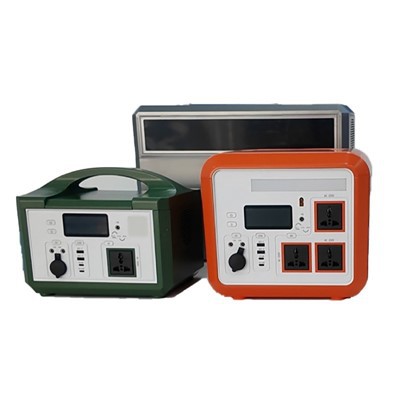
Whether you need a battery for your car, a backup power system, or an industrial application, we’ve got you covered. Our team of experts can help you choose the right battery for your specific needs.
Home Energy Storage System If you’re in the market for lead – acid batteries, don’t hesitate to get in touch with us. We’re always happy to answer any questions you might have and discuss your requirements. We can offer you competitive prices and excellent customer service. So, if you’re looking for a reliable source of lead – acid batteries, give us a shout!
References
- Linden, D., & Reddy, T. B. (2002). Handbook of Batteries. McGraw – Hill.
- Berndt, D. (2000). Lead – Acid Batteries: Science and Technology. Elsevier.
Shandong Yaoqian Energy Storage International Trade Co., Ltd.
We’re well-known as one of the leading lead-acid battery manufacturers and suppliers in China, featured by quality products and good price. Please rest assured to buy customized lead-acid battery made in China here from our factory.
Address: Lithium Battery Industrial Park, Xingcheng Street, Zaozhuang High-tech Zone, Shandong Province, China
E-mail: boss@yaoqiansmart.com
WebSite: https://www.yaoqiansmart.com/
