As a seasoned supplier in the sports shoes industry, I’ve witnessed firsthand the transformative impact of proper shoe lacing on athletic performance and foot health. The way you lace your sports shoes can significantly enhance support, stability, and comfort, whether you’re a professional athlete pushing your limits or a casual fitness enthusiast looking to make your workouts more enjoyable. In this blog, I’ll share some expert tips on how to lace your sports shoes for better support, drawing on my years of experience and industry knowledge. Sports Shoes

Understanding the Basics of Shoe Lacing
Before we dive into specific lacing techniques, it’s important to understand the basic principles of shoe lacing. The primary function of shoe laces is to secure the foot inside the shoe, providing support and stability during movement. By adjusting the tension and pattern of the laces, you can customize the fit of your shoes to suit your individual needs and preferences.
There are several factors to consider when lacing your sports shoes, including the shape of your foot, the type of shoe you’re wearing, and the activity you’ll be doing. For example, if you have a high arch, you may need to lace your shoes more tightly around the midfoot to provide additional support. On the other hand, if you have a wide foot, you may need to loosen the laces around the forefoot to prevent pinching and discomfort.
Common Lacing Techniques for Better Support
The Heel Lock
The heel lock is a popular lacing technique that provides extra support and stability around the heel, preventing it from slipping out of the shoe during movement. This technique is particularly useful for activities that involve a lot of running, jumping, or quick changes in direction.
To perform the heel lock, start by lacing your shoes as you normally would, up to the second or third eyelet from the top. Then, instead of crossing the laces over each other, thread them straight up through the next eyelet on the same side. Repeat this process on the other side, creating a loop of lace around the back of the heel. Finally, cross the laces over each other and continue lacing up to the top of the shoe.
The Runner’s Loop
The runner’s loop is another effective lacing technique that provides additional support and stability for the foot, especially during running or other high-impact activities. This technique helps to reduce pressure on the top of the foot, preventing discomfort and blisters.
To perform the runner’s loop, start by lacing your shoes as you normally would, up to the second or third eyelet from the top. Then, create a small loop with each lace by folding it back on itself. Cross the loops over each other and thread them through the next eyelet on the opposite side, pulling the laces tight to create a secure knot. Finally, continue lacing up to the top of the shoe.
The Criss-Cross Lacing
The criss-cross lacing is the most common lacing technique used for sports shoes. It provides a balanced and secure fit, distributing pressure evenly across the foot. This technique is suitable for a wide range of activities and foot types.
To perform the criss-cross lacing, start by inserting the laces through the bottom eyelets of the shoe, with the ends of the laces on the outside. Then, cross the laces over each other and thread them through the next eyelet on the opposite side, pulling the laces tight. Repeat this process until you reach the top of the shoe, adjusting the tension as needed to achieve a comfortable fit.
The Straight Bar Lacing
The straight bar lacing is a simple and effective lacing technique that provides extra support and stability for the midfoot. This technique is particularly useful for people with high arches or those who need additional support in the arch area.
To perform the straight bar lacing, start by inserting the laces through the bottom eyelets of the shoe, with the ends of the laces on the outside. Then, instead of crossing the laces over each other, thread them straight up through the next eyelet on the same side. Repeat this process on the other side, creating a series of straight bars across the top of the shoe. Finally, cross the laces over each other and continue lacing up to the top of the shoe.
Choosing the Right Lacing Technique for Your Needs
The best lacing technique for you will depend on a variety of factors, including the shape of your foot, the type of shoe you’re wearing, and the activity you’ll be doing. Here are some tips to help you choose the right lacing technique for your needs:
- Consider your foot shape: If you have a high arch, you may need to use a lacing technique that provides extra support and stability around the midfoot, such as the straight bar lacing or the runner’s loop. If you have a wide foot, you may need to use a lacing technique that allows for more flexibility and room in the forefoot, such as the criss-cross lacing.
- Think about the type of shoe you’re wearing: Different types of sports shoes have different lacing systems and designs, which can affect the way you lace them. For example, some shoes may have extra eyelets or hooks that allow for more customization and support. Make sure to read the manufacturer’s instructions or consult with a shoe expert to determine the best lacing technique for your specific shoe.
- Match the lacing technique to the activity: The type of activity you’ll be doing can also influence the lacing technique you choose. For example, if you’re running, you may want to use a lacing technique that provides extra support and stability for the heel and midfoot, such as the heel lock or the runner’s loop. If you’re playing basketball or other sports that involve a lot of lateral movement, you may want to use a lacing technique that provides extra support and stability for the ankle, such as the criss-cross lacing.
Other Tips for Better Shoe Support
In addition to using the right lacing technique, there are several other things you can do to improve the support and comfort of your sports shoes. Here are some tips to keep in mind:
- Choose the right shoe size: Wearing shoes that are too big or too small can cause a variety of problems, including blisters, calluses, and foot pain. Make sure to measure your feet regularly and choose shoes that fit properly.
- Replace your shoes regularly: Over time, the cushioning and support in your sports shoes will wear out, making them less effective at protecting your feet. It’s recommended to replace your sports shoes every 300-500 miles, or every six to eight months, depending on how often you wear them.
- Use insoles or orthotics: If you have specific foot problems or conditions, such as flat feet or plantar fasciitis, using insoles or orthotics can provide additional support and cushioning for your feet. Make sure to choose insoles or orthotics that are specifically designed for your foot type and activity level.
- Tie your laces properly: Tying your laces too tightly or too loosely can affect the fit and support of your shoes. Make sure to tie your laces snugly, but not too tightly, and adjust the tension as needed to achieve a comfortable fit.
Conclusion
Proper shoe lacing is an important part of maintaining foot health and preventing injuries, especially when it comes to sports and physical activity. By using the right lacing technique and following these tips, you can improve the support, stability, and comfort of your sports shoes, allowing you to perform at your best and enjoy your workouts without pain or discomfort.
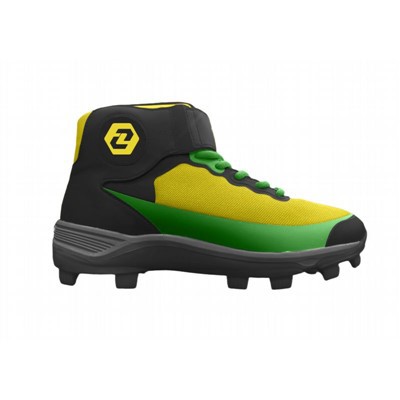
If you’re looking for high-quality sports shoes that provide excellent support and comfort, look no further. As a leading supplier in the sports shoes industry, we offer a wide range of shoes for men, women, and children, designed to meet the needs of athletes and fitness enthusiasts of all levels. Our shoes are made from the highest quality materials and feature the latest technologies and designs, ensuring maximum performance and durability.
Baseball Cleats Whether you’re a professional athlete or a casual fitness enthusiast, we have the perfect sports shoes for you. Contact us today to learn more about our products and services, and to discuss your specific needs and requirements. We look forward to working with you!
References
- "The Ultimate Guide to Shoe Lacing Techniques." Runner’s World.
- "How to Lace Your Running Shoes for a Better Fit." Nike.
- "Lacing Techniques for Different Foot Types." Adidas.
Quanzhou Yangwang Trading Co., Ltd.
Address: No. 234-1 East Qiguang Road, Handai Village, Chendai Town, Jinjiang City, Quanzhou City, Fujian Province.
E-mail: mariajose@quanzhouyangwang.com
WebSite: https://www.fuyingshoes.com/
