Hey there! I’m a supplier of wood peeling machines, and today I wanna talk about a super important topic for anyone in the woodworking game: what’s the power consumption of a wood peeling machine? Wood Peeling Machine
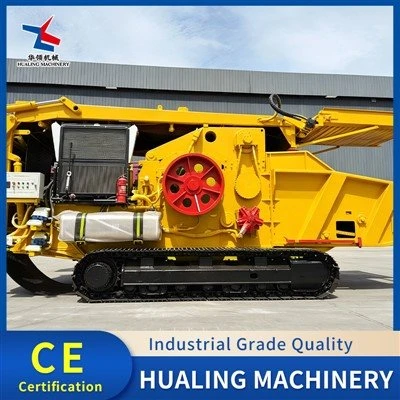
First off, let me tell you that the power consumption of these machines isn’t a one – size – fits – all deal. It can vary a whole bunch depending on several factors. One of the biggest factors is the type of wood peeling machine. There are different kinds out there, like rotary wood peeling machines and drum wood peeling machines, and each has its own power needs.
Rotary wood peeling machines are pretty common. They work by rotating the log against a sharp blade to peel off the bark. These machines usually need a fair amount of power to keep that rotation going smoothly. Depending on the size and model, they can range from a few kilowatts to over 100 kilowatts. Smaller, home – use or light – duty rotary peeling machines might use around 3 – 5 kilowatts. These are great for small woodworking shops or folks who just need to peel a few logs here and there.
On the other hand, industrial – grade rotary wood peeling machines, the ones that can handle big logs and work non – stop in a large – scale wood processing plant, can consume anywhere from 50 to 150 kilowatts or even more. That’s because they have to deal with much larger logs, which require more force to rotate and peel.
Drum wood peeling machines, on the other hand, work a bit differently. They use a drum filled with logs, and the rotation of the drum and the friction between the logs and the drum’s interior help to remove the bark. The power consumption of drum wood peeling machines also depends on their size and capacity. Smaller drum machines for small – scale operations might use around 7 – 10 kilowatts. But larger industrial drum peelers can use 20 – 50 kilowatts, especially if they’re designed to handle a high volume of logs.
Another factor that affects power consumption is the type of wood you’re peeling. Hardwoods like oak, maple, or walnut are much denser than softwoods like pine or cedar. When you’re peeling hardwood logs, the machine has to work a lot harder. The blade has to cut through a tougher material, and there’s more friction involved. So, naturally, the power consumption goes up. You might see an increase of around 20 – 30% in power use when peeling hardwoods compared to softwoods on the same machine.
The size of the logs also plays a huge role. Bigger logs mean more mass and more surface area to peel. A machine has to use more power to rotate and peel a large – diameter log than a small one. For example, if you’re peeling logs that are 2 feet in diameter compared to logs that are 1 foot in diameter, the power consumption could double or even triple, depending on the machine’s design.
The efficiency of the machine itself is also a key factor. A well – maintained and high – quality wood peeling machine will generally use less power than an old, worn – out one. Over time, the blades can get dull, the bearings can wear down, and the motor might not work as efficiently. This can lead to an increase in power consumption. Regular maintenance, like sharpening the blades, lubricating the moving parts, and checking the motor, can help keep the power use in check.
Now, you might be wondering why it’s so important to know about power consumption. Well, for one, it directly affects your operating costs. If you’re running a wood processing business, the cost of electricity is a significant part of your expenses. By choosing a machine with lower power consumption and operating it efficiently, you can save a ton of money in the long run.
Also, from an environmental perspective, lower power consumption means less energy use and a smaller carbon footprint. In today’s world, where everyone’s more conscious about the environment, it’s a big plus.
If you’re in the market for a wood peeling machine, I’d recommend doing a bit of research on power consumption. Look at different models and manufacturers, and compare their power ratings. You should also consider your specific needs, like the type of wood you’ll be peeling, the size of the logs, and your expected production volume.
As a wood peeling machine supplier, I’ve seen firsthand how important it is to find the right balance between power consumption and performance. We offer a range of machines that are designed to be energy – efficient without sacrificing quality. Our engineers have worked hard to optimize the design of our machines to reduce power use while still delivering top – notch peeling results.
If you’re interested in learning more about our wood peeling machines or have any questions about power consumption, don’t hesitate to reach out. Whether you’re a small – scale woodworker or a large – scale industrial operation, we can help you find the perfect machine for your needs. Just drop us a message, and we’ll be happy to have a chat and see how we can assist you in your wood – peeling journey.
Wood Chipper and Pellet Mill Spare Part References
- Wood Processing Machinery Handbook: A comprehensive guide on different types of wood processing machines and their technical aspects.
- Journal of Forest Products and Engineering: Articles on the efficiency and power consumption of wood processing equipment.
Shandong Hualing Machine Manufacturing Co., Ltd.
As one of the most professional wood peeling machine manufacturers and suppliers in China, we also support customized service with low price. Please rest assured to buy discount wood peeling machine in stock here from our factory. If you have any enquiry about quotation, please feel free to email us.
Address: Industrial Park, Dagong Village, Changshan Town, Zouping City, Shandong Province
E-mail: hualing@sdhualing.com
WebSite: https://www.hualingmachine.com/
