As a cat litter supplier, I’ve witnessed firsthand the significant shift in the market over the years. The introduction of clumping cat litters has been a game – changer, with bentonite clay being one of the most well – known options. In this blog, I’ll delve into how bentonite clay cat litter compares to other clumping litters, considering aspects such as performance, environmental impact, and cost. Cat Litter
Performance
Let’s start with the primary function of cat litter: odor control and clumping ability.
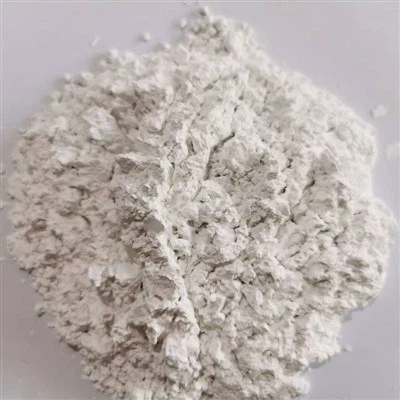
Bentonite clay is renowned for its exceptional clumping ability. When a cat urinates on bentonite clay litter, the clay particles absorb the liquid and form tight, solid clumps. These clumps are easy to scoop out, allowing for the efficient removal of urine and the associated odor. This is a huge advantage as it reduces the amount of litter that needs to be replaced regularly. For example, if you have a single cat using a box filled with bentonite clay litter, you can often scoop out the clumps daily and only fully replace the litter once every two or three weeks.
On the other hand, some other clumping litters, such as those made from recycled paper or wheat, may not form such firm clumps. Paper – based clumping litters tend to break apart easily when scooped, making it difficult to completely remove all the urine. This can lead to lingering odors and potentially more frequent litter changes. Wheat – based litters, while they do clump, may not be as absorbent as bentonite clay. Their clumps can be looser, and they may not be able to hold as much urine before the litter’s performance starts to decline.
When it comes to odor control, bentonite clay has a natural ability to absorb and neutralize odors. The clay particles trap the odor – causing molecules, preventing them from spreading. Additionally, many brands of bentonite clay cat litter are enhanced with fragrance to further mask unpleasant smells. However, some cats may be sensitive to these added fragrances, so it’s important to offer a fragrance – free option as well.
Other clumping litters often rely on natural ingredients to control odor. For instance, paper – based litters may have a cellulose – based odor absorber. While these natural methods can be effective, they may not be as powerful as the odor – absorbing capabilities of bentonite clay. Wheat – based litters may use enzymes to break down odor – causing compounds, but they still may not be able to completely eliminate odors as well as bentonite clay in high – traffic litter boxes.
Dust and Tracking
Dust is another crucial factor to consider when choosing a cat litter. Bentonite clay cat litter has long had a reputation for being dusty. When the litter is poured into the box or when cats dig and scratch in it, fine dust particles can be released into the air. This dust can be inhaled by both cats and humans, potentially causing respiratory issues. Some cats with sensitive respiratory systems may develop coughing or sneezing after using dusty bentonite clay litter.
However, the industry has made significant improvements in recent years. Many bentonite clay litters now come with a dust – reduction technology. These litters are treated or processed in a way that minimizes the amount of dust released. Some brands even claim to be virtually dust – free.
In contrast, other clumping litters, like paper – based and wheat – based litters, generally produce less dust. Paper – based litters are made from shredded and compressed paper, which is inherently less dusty. Wheat – based litters are also relatively dust – free because they are made from natural grains. This makes them a better option for households with cats or people who are prone to respiratory problems.
Tracking is also a concern for many cat owners. Bentonite clay litter can stick to a cat’s paws, causing it to be carried out of the litter box and onto floors and furniture. This can be a nuisance to clean up. To address this issue, some bentonite clay litters are designed with larger particles, which are less likely to be tracked.
Paper – based and wheat – based litters tend to be less likely to track. Paper fibers or wheat grains are less adherent to a cat’s paws compared to the fine particles of bentonite clay. This can help keep the area around the litter box cleaner.
Environmental Impact
The environmental impact of cat litter is becoming an increasingly important factor for consumers. Bentonite clay is a natural resource, but mining it can have environmental consequences. The extraction process can disrupt ecosystems, and large amounts of energy are often required for mining and processing. Additionally, bentonite clay litter is non – biodegradable. Once it’s thrown away, it can end up in landfills, where it will take a long time to decompose.
On the other hand, paper – based and wheat – based clumping litters are more environmentally friendly. Paper – based litters are often made from recycled paper, which reduces the demand for virgin wood pulp. They are also biodegradable, meaning they can break down naturally in the environment. Wheat – based litters are made from a renewable resource (wheat) and are also biodegradable. Some wheat – based litters can even be composted, which is a great option for eco – conscious cat owners.
Cost
Cost is always a consideration for consumers. Bentonite clay cat litter is generally affordable and widely available. It offers good value for money in terms of its performance, as it can last longer between full litter changes due to its excellent clumping ability. There is a wide range of price points for bentonite clay litter, from budget – friendly options to premium brands with added features like extra – strong odor control.
Paper – based and wheat – based clumping litters tend to be more expensive. The cost of recycling paper or growing and processing wheat adds to the production cost, which is then passed on to the consumer. However, for some cat owners, the environmental benefits and other advantages (such as less dust and tracking) outweigh the higher cost.
Conclusion
In conclusion, bentonite clay cat litter has its advantages and disadvantages when compared to other clumping litters. It excels in clumping ability and odor control, which are important performance factors. However, it has issues with dust and environmental impact. Other clumping litters, such as those made from paper or wheat, are more environmentally friendly, produce less dust, and are less likely to track, but they may be more expensive and not perform as well in terms of clumping and odor control.
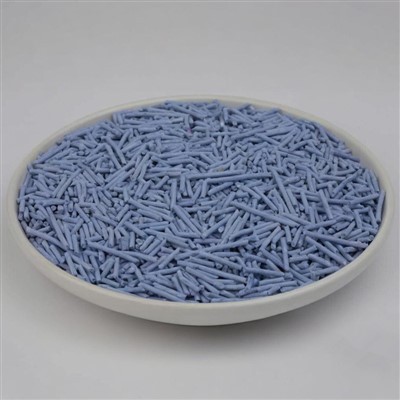
As a cat litter supplier, I understand that different customers have different needs. Some may prioritize performance, while others may be more concerned about the environment or the health of their cats. That’s why I offer a variety of cat litters, including high – quality bentonite clay litter as well as eco – friendly alternatives.
Mineral Fibers If you’re interested in learning more about our cat litter products or would like to discuss a potential purchase, I encourage you to reach out. We’re always happy to answer any questions you may have and work with you to find the best cat litter solution for your needs.
References
- Lund, E. M., et al. "Prevalence and risk factors for diet – associated lower urinary tract disease in cats." Journal of the American Veterinary Medical Association, 2003.
- Kass, P. H., et al. "Factors associated with the adoption of cats and dogs from animal shelters: a critical review of the literature." Journal of the American Veterinary Medical Association, 2001.
- Aroch, I., and Ilan, E. "Fluid intake and urine output of cats fed on dry or moist diets." Journal of Feline Medicine and Surgery, 2007.
Lingshou County LM Mineral Products Co., Ltd.
As one of the most professional cat litter manufacturers and suppliers in China, we’re featured by quality products and good service. Please rest assured to buy customized cat litter made in China here from our factory. Contact us for more details.
Address: Dongzhuang Village, Nanyanchuan Township, Lingshou County, Shijiazhuang City, Hebei Province
E-mail: lmwtwz@163.com
WebSite: https://www.lmwtz.com/
