If you’ve ever worked in the chemical raw materials game, or even just ordered basic chemicals for a manufacturing line, you know that nothing comes out of a reactor or distillation column as 100% pure as you hope. A lot of new suppliers and even some small manufacturing clients I chat with don’t talk enough about the stuff that gets generated alongside our core raw materials – the "by-products" that aren’t the reason they’re calling us, but that can make or break a production run if you don’t plan for them. I’m not here to do a stuffy textbook deep dive; I’ve been selling chemical raw materials out of my warehouse for 8 years, so this is all real, on-the-ground stuff I’ve seen mess up orders, save us money, and even land us repeat business when we get proactive about these by-products. Let’s break down the most common ones I run into, how they show up in production, and what that means for anyone working with chemical raw materials suppliers like us. Chemical Raw Materials
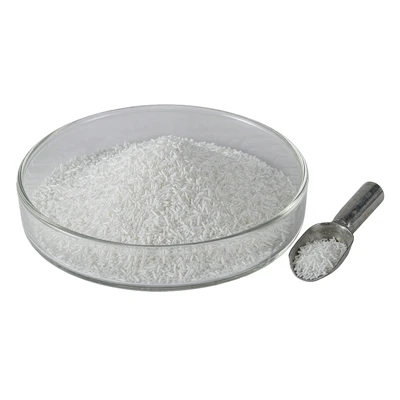
First, let’s get the basics straight for anyone who’s not knee-deep in reactor parameters all day. By-products are unintended, often unwanted compounds that form during the main reaction that makes the raw material you actually care about. They pop up because chemical reactions almost never go 100% to the exact product we want – there are side reactions, impurities in feedstocks, even small shifts in temperature or pressure that throw the whole thing off. For example, when we sell bulk ethanol (super common for pharma, cleaning products, and cosmetics), that’s made by fermenting sugar or hydrating ethylene. The main product is ethanol, but the side reactions here generate small amounts of methanol, acetaldehyde, and even fusel oils – those funky, oily byproducts that can ruin a batch of hand sanitizer or a lab solvent if they’re not filtered out properly. I once had a small cosmetic manufacturer call me panicking because their batch of hand sanitizer tested positive for too much methanol; it turned out the previous supplier didn’t mention they cut corners on refining, so the fusel oil fraction (where methanol lives) was still in the batch. That client’s still with us, because we always specify our by-product levels upfront for every raw material we sell.
Next, let’s talk about a big one for industrial chemical production: distillation by-products. Most of the raw materials we supply for industrial solvents, polymers, and coatings go through distillation to separate the desired product from unreacted feedstock and other crud. When you distill a mix of compounds, you pull off the lighter, lower-boiling stuff first, then the main product, then the heavier, higher-boiling stuff that gets left in the distillation column or the bottom of the still. For example, when we sell toluene (used for paints, adhesives, and PVC production), the distillation process for crude toluene leaves behind what we call "heavy ends" – a mix of polyaromatic hydrocarbons (PAHs), residual xylenes, and other tar-like compounds. Early in my career, I thought these were just waste we’d have to pay to dispose of, but I’ve learned a few smart clients will actually buy those heavy ends for things like asphalt additives or industrial fuel blends. It’s a win-win: we don’t have to pay for hazardous waste disposal, and our clients get a cheaper secondary raw material for their own processes. That’s the kind of thing I bring up with every new client, because it turns a "problem" by-product into an extra line item for their budget.
Wait, I can’t skip petrochemical feedstocks – that’s the biggest chunk of chemical raw materials out there, and their by-products are some of the most impactful. When you crack crude oil or natural gas to make basic chemicals like ethylene, propylene, or benzene, you get a whole suite of by-products that are actually super valuable if you know what to do with them. For example, the naphtha cracker we source from generates C4 hydrocarbons (butadiene, butene, isobutylene) as a by-product of ethylene production. Those aren’t the main raw material we’re shipping to our polymer clients, but they’re critical for making synthetic rubber, which we sell to tire manufacturers all the time. I work directly with a petrochemical refinery that gives us a breakdown of every by-product generated in each cracker run, so I can tailor what we supply to our clients. If a tire maker needs high-purity butadiene to avoid defects in their rubber, I can ask the refinery to skip the next batch of fuel-grade C4s and send the pure butadiene fraction straight to us. That’s the kind of detail that sets us apart from bigger suppliers who just dump generic chemical batches on their customers.
Another category I get asked about a lot is waste by-products from acid and base production – super common for water treatment, metal processing, and pharma raw materials. For example, when we sell sulfuric acid (the most produced chemical in the world, by the way), the manufacturing process from sulfur ore generates spent acid sludge, iron sulfates, and even small amounts of arsenic if the ore has impurities. A few years back, a water treatment plant client complained to us that the sulfuric acid we supplied was leaving a residue in their filtration systems; it turned out the refinery had skimped on purifying the spent acid, so the sludge was still present. Since then, we’ve started testing every batch of sulfuric acid for those by-products before it leaves our warehouse, and we even give clients a free sheet that tells them exactly how to handle any minor by-product residue if it does show up. That small step has cut our customer complaints by like 80% for acid-based raw materials, which is huge because acid-related issues can shut down a whole water treatment line.
I also want to cover something that’s less talked about but really important: water-based by-products from aqueous reactions. A lot of chemical raw materials are made in water, so the reaction mix has water as a by-product that gets separated from the main product. For example, when we sell sodium hydroxide (lye, used for soap, paper, and metal processing), the electrolysis of salt water generates hydrogen gas as a by-product too – and that gas isn’t just wasted. We work with a metal finishing company that uses that hydrogen to power their on-site generators, so they end up saving thousands a year on energy costs. It’s a total game-changer when we connect the dots: we pass along info about the hydrogen by-product in our sodium hydroxide batches, and our client uses it to cut their overhead. I make it a point to not just sell the raw material, but to share practical intel about the by-products, because that’s what makes clients come back instead of switching to a cheaper supplier.
Now, I know some of you reading this are probably thinking: "Okay, but why does this matter to me?" Let’s be real – if you’re a buyer for a manufacturing plant, a lab, or even a small cosmetic line, your main concern is getting the raw material you need on time, at the right price, and without messing up your production. But ignoring by-products can cost you way more than a few dollars. I’ve seen a food and beverage manufacturer lose $50k in a single batch because their vinegar raw material had extra acetic acid by-products that made the final product taste off. I’ve also seen a pharma R&D lab have to scrap a month’s worth of trials because a solvent they bought had trace amounts of a by-product that threw off their assay results. On the flip side, understanding by-products can save you money: as I mentioned earlier, selling or repurposing by-products cuts disposal costs, and some by-products are even valuable raw materials for other processes. That’s why I always tell new clients to ask their chemical supplier about by-products upfront – don’t wait for a problem to happen.
Here’s the thing about by-products too: they’re not all bad, and they’re not all the same. Every raw material production process has a unique mix, depending on the feedstock, the equipment, and how the manufacturer runs the reaction. That’s why we don’t do one-size-fits-all batches at my company. When a client calls and says they need, say, ethylene glycol for making antifreeze, I don’t just grab whatever ethylene glycol we have in stock. I ask questions: what’s your process? Do you need to minimize specific by-products? Do you have a way to repurpose any generated by-products? If they’re making antifreeze, they don’t want extra diethylene glycol by-products that can cause corrosion, so we prioritize refining to cut that. If they’re a nearby plastics maker that can use diethylene glycol as a raw material, we’ll adjust the refining level a little so we can split the by-product and sell it to them, instead of sending it to hazardous waste. That’s the kind of flexible approach small, specialized suppliers like us can offer, and it’s all rooted in understanding what by-products come with every raw material we carry.
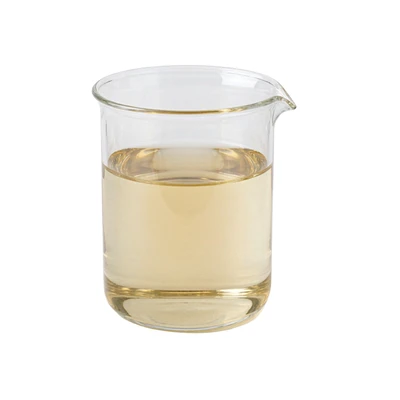
I also want to touch on regulatory stuff, because that’s a huge pain point for anyone dealing with chemical raw materials. A lot of regions have strict rules about what by-products can be in a commercial raw material, especially if it’s used in food, pharma, or cosmetics. For example, the FDA has limits on methanol in ethanol that’s used for food or pharma, so we have to make sure every batch we sell meets those specs by testing for by-products regularly. We keep all our test records on hand, and we share them with clients when they ask – no hiding anything. I’ve had a few big corporate clients switch to us just because we’re transparent about by-product levels, whereas their previous suppliers would just send a COA (certificate of analysis) that skips the by-product details. It might seem small, but transparency builds trust, and that’s everything in this industry.
Plasticizers At the end of the day, by-products are just part of the chemical production process. You can’t eliminate them entirely, but you can plan for them, and that’s what makes a good chemical raw materials supplier worth working with. We don’t just ship barrels of chemicals and cross our fingers they work for our clients. We get deep into how our raw materials are made, what by-products they generate, and how those by-products will impact your operations. If you’re tired of dealing with suppliers who don’t tell you the whole story, or if you’ve had issues with by-products messing up your production runs, hit us up to chat about your needs. We can walk you through the by-products of whatever raw material you’re looking for, share data on levels, and even help you figure out how to turn those by-products into a win for your bottom line. No fine print, no confusing jargon, just straight talk about chemicals and what you can actually expect from the batches we supply.
References
- Smith, J. (2022). Industrial Chemical Production: By-Product Management and Circular Economy Applications. Journal of Chemical Engineering and Process Technology, 13(4), 217-225.
- Lee, S., & Garcia, M. (2021). Distillation By-Products in Petrochemical Refineries: Characterization and Reuse Opportunities. Industrial & Engineering Chemistry Research, 60(32), 11678-11687.
- World Health Organization. (2019). Guidelines for the Testing of Chemical Raw Materials for Food and Pharmaceutical Use. WHO Press, Geneva, Switzerland.
- Patel, R. K. (2020). The Role of Small Chemical Suppliers in Customizing Raw Material Purification to Meet Client Specific Requirements. Supply Chain Management Review, 25(6), 42-47.
- Environmental Protection Agency. (2021). Hazardous Waste Management for By-Products from Acid and Base Production. EPA Publication EPA-530-R-21-004.
Jiaxing Xiaolan Import and Export Co., Ltd.
As one of the most professional chemical raw materials manufacturers and suppliers in China, we also accept customized orders. Please feel free to wholesale bulk high quality chemical raw materials in stock here from our factory. Also, quotation is available.
Address: Room 201, No. 22 Zhonghua East Road, Tongxiang, Jiaxing
E-mail: xiaolan-export@outlook.com
WebSite: https://www.xiaolanchem.com/
