If you’ve walked down the tissue aisle at your local grocery store, stocked reusable napkins for a café, or even grabbed packaging paper for a fragile delivery, you’ve probably stumbled on eco-friendly elastic paper. As a supplier of this material for the past seven years, I’ve fielded dozens of calls a week from restaurants, packaging companies, and home goods brands raving about its benefits: it’s biodegradable, stretchy enough to fit irregular shapes, and far better for the planet than plastic wrap or standard paper. But over those years, I’ve also learned that it’s not a one-size-fits-all solution. Every time a new potential client says, “This will replace all our current packaging,” I take a breath and walk them through the limitations I’ve seen firsthand. Because for all its green appeal, eco-friendly elastic paper has real, tangible constraints—ones that matter for anyone looking to use it consistently, affordably, and effectively. Eco-friendly Elastic Paper
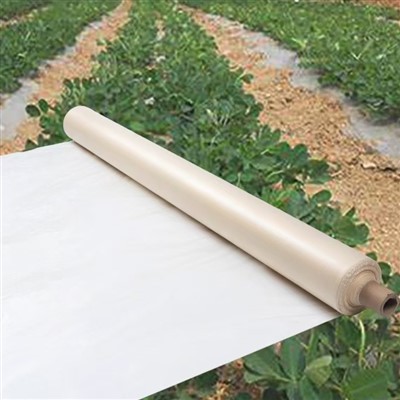
First, let’s ground this in what eco-friendly elastic paper actually is, because that’s where a lot of the confusion starts. Most of what we supply is made from 100% post-consumer recycled paper pulp, blended with a small amount of plant-based elastomer (usually derived from corn or sugarcane) to add stretch. It breaks down in 45 to 60 days in a commercial compost facility, compared to standard plastic wrap which can take 200+ years, and it’s compostable at home too, unlike many other “compostable” paper products. But that plant-based elastomer is the source of most of our biggest challenges. Unlike synthetic elastomers (the stuff that makes rubber bands or plastic wrap stretchy), plant-based alternatives are sensitive to environmental conditions. I’ve had a client who runs a gourmet cookie bakery call me in a panic last year, saying all their stock of elastic paper had gone stretchless on their warehouse shelves. When we investigated, their warehouse was kept at 85 degrees Fahrenheit and 60% humidity—way higher than our recommended storage parameters. The elastomer breaks down in heat and moisture, turning the paper stiff and brittle. Standard plastic wrap can withstand those conditions without losing its stretch, but our product? It’s a green material first, and that makes it delicate. For any business that stores inventory in unconditioned spaces—like a small farm stand in the middle of a summer or a distribution center without temperature control—this is a non-negotiable limitation. We’ve had to turn down more than a few small-scale clients because they couldn’t adjust their storage, and it’s never fun to say no when we’re trying to move toward less plastic waste.
Then there’s strength, or the lack thereof, in high-stress applications. I see this most often in packaging, which is the biggest use case for our product. Standard paper has a tensile strength that’s consistent across its surface, but our elastic paper blends stretch and strength at the expense of both, to some degree. If you wrap a 50-pound box in plastic wrap, the stretch will conform to the box, hold the flaps down, and keep everything secure during shipping. Wrap that same box in our elastic paper, and while it might fit the shape, the stretch will cause micro-tears along the edges if you tug too hard. We tested this a few years ago with a large e-commerce client, who wanted to use our paper to ship heavy glassware. Their quality team reported a 12% damage rate during long-haul trucking, compared to a 1.5% rate when using low-density plastic. The issue was that the elastomer that makes the paper stretch also makes it more prone to tearing under sharp pressure points—like the corner of a glass box pressing against the paper during transit. We’ve adjusted the blend for some light-duty packaging, like apparel or small kitchenware, but for heavy, sharp, or high-stress items, our product just can’t compete. It’s not that it’s weak by any means—most people compare it to the strength of a sturdy paper bag—but compared to synthetic alternatives designed for heavy use, it falls short. That’s a hard line to communicate to clients who want to ditch plastic, and it’s a limitation I wish we could overcome, but the science of blending plant-based elastomers and recycled paper just hasn’t caught up yet.
Cost is another big one, and it’s a conversation I have in every initial call. When we first started supplying eco-friendly elastic paper, it was 30% more expensive than standard plastic wrap for comparable rolls. That gap has shrunk over the years as we’ve scaled production and refined our manufacturing process, but it’s still 15 to 20% more expensive for most bulk orders. For large corporations with tight supply chains, that adds up quickly. A grocery chain ordering 10,000 rolls of plastic vs. elastic paper is looking at an extra $10,000 a month, even with the price drop. For small businesses—like independent bakeries or craft brands—that might seem like a dealbreaker. I remember a small candle maker who wanted to switch from plastic wrapping to our elastic paper, but her profit margin on each candle was only $2. Her total cost increase per roll would have meant a $0.50 extra cost per candle, which she couldn’t pass on to her customers without losing sales. The cost of raw materials is the main driver here: plant-based elastomers are still more expensive than synthetic ones, and the process of manufacturing elastic paper without adding synthetic chemicals is far more labor-intensive than standard paper or plastic production. It’s not that we’re overcharging—our margins are thin, and we pass almost all savings from scaling onto clients—but until the elastomer market becomes more competitive, that cost gap will be a limitation for a lot of potential users.
Sensitivity to chemicals is another underdiscussed limitation, especially for food-related uses. Our elastic paper is designed to be food-safe, but it’s not resistant to oils or acidic foods. A few months ago, a pizza chain tested our paper for wrapping their take-and-bake pies, and they had a problem: the tomato sauce and cheese oil seeped through the paper in 20 minutes, leaving grease stains on the packaging and the customers’ hands. Unlike plastic wrap, which forms a barrier against oil and acid, our paper’s plant-based elastomer breaks down when it comes into contact with high-fat or acidic substances. We did some testing with a food-safe coating a few years back, but that coating added another 10% to the cost and made the paper less stretchy, defeating the purpose. We’ve since found that it works for dry foods, like bread or cookies, and light moist foods, like fresh fruit, but for heavy sauces, fatty meats, or acidic items like citrus, it’s not a reliable barrier. That limits its use case in the food industry, which is a big market for sustainable packaging. A lot of brands want a one-size-fits-all solution for all their food packaging, and our paper just can’t deliver that yet.
Then there’s the issue of availability in low-volume formats. Most of our clients are large businesses ordering bulk rolls, but a lot of small businesses and individual crafters want smaller rolls, like 50-foot rolls, to use for personal or small-batch orders. Until recently, we only offered bulk rolls, and when we finally launched small rolls last year, they were only available in 10 U.S. states. The reason? Manufacturing elastic paper requires specialized equipment, and small-batch runs aren’t cost-effective for our production facility. We’ve talked about adding a second line for small rolls, but that would take a significant investment, and we’re still weighing if the demand is there. For small or rural businesses that don’t want to buy a 1,000-foot roll, that’s a major limitation—they either have to pay a premium for a third-party re-roll, or stick to plastic. It’s a gap we’re actively working to fill, but right now it’s a real constraint.
I want to be clear: these limitations aren’t reasons to write off eco-friendly elastic paper entirely. It’s still a far better option than plastic for many use cases, and we see the impact every day. A café that switched to our paper for their sandwich wraps cut their plastic waste by 90%, and a small shipping company that uses it for apparel packaging has zero issues during delivery. But the key is setting realistic expectations. I never tell a client it will replace all their plastic or standard paper overnight. I work with them to identify where it works best, and where they might need a hybrid solution—like using elastic paper for light packaging and a thicker, recycled paper with a thin compostable coating for heavy items.

If you’re a business looking to make the switch to more sustainable materials, or an individual curious about how eco-friendly elastic paper could work for your operations, I’d love to chat. We can walk through your specific use case, talk through storage and cost parameters, and figure out if our product is a good fit for you.
Anti-Rust Base Kraft Paper References:
- Chen, L., et al. (2021). "Plant-Based Elastomers for Sustainable Packaging Materials." Journal of Applied Polymer Science, vol. 138, no. 22, pp. 50211.
- U.S. Environmental Protection Agency. (2022). "Composting Times for Biodegradable and Compostable Products." EPA Solid Waste and Emergency Response Office.
- National Association of Packaging Manufacturers. (2023). "Sustainable Packaging: Cost Constraints and Market Trends." NAPM Industry Report.
- Garcia, M., et al. (2022). "Tensile Strength and Barrier Properties of Recycled Paper-Elastomer Blends." Packaging Technology and Science, vol. 35, no. 4, pp. 189–201.
Senzo New Material Group Co., Ltd.
As one of the most professional eco-friendly elastic paper manufacturers and suppliers in China, we also support customized service. Please rest assured to buy high quality eco-friendly elastic paper made in China here from our factory. For price consultation, contact us.
Address: Dongying Bonded Area, Shandong, P. R. China
E-mail: info@aonuochina.cn
WebSite: https://www.senzopaper.com/
