If you’ve ever ordered power equipment parts from a supplier (hi, that’s me – I run a small, no-BS power equipment parts shop that actually knows what it’s like to both sell these parts and work with them day-to-day), you’ve probably wondered: “Wait, am I supposed to do anything special when handling these things?” Power Equipment Parts
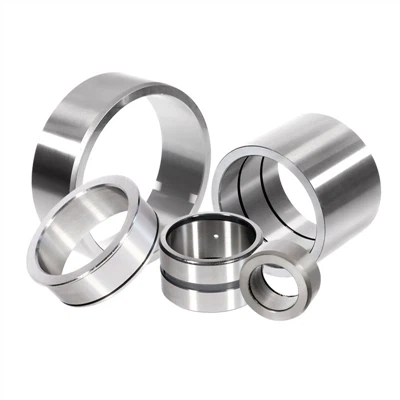
Let’s cut the fluff – power equipment parts aren’t like a new laptop case or a pack of screws. These are the bits that make your chainsaw, pressure washer, or generator run: spark plugs, flywheels, carburetors, recoil starters, sometimes even whole engine blocks. Most of them are made for rough work, sure, but that doesn’t mean they don’t have hidden sharp edges, electrical charge, or leftover fuel that can turn a routine repair into a trip to the ER.
I’ve seen it all, honestly. Last year, a guy who bought a new chainsaw bar and chain from us cut his thumb open because he grabbed the sharp chain without gloves. Another customer tried to reuse a small ignition coil, got a nasty shock, and told me he thought “electrical stuff only matters for full engines.” Spoiler: no part of a power tool that plugs in or has a battery is safe to mess with casually.
Let’s break this down into the stuff that actually matters, not the stuff some old OSHA poster tells you to write down and forget. First off, the most basic thing: know what you’re holding. I can’t tell you how many times customers message us saying they got a part that “looks like a spark plug but feels weird” – no, not all metal bits in a power tool are the same. If you’re handling a part that has exposed metal, sharp machining edges, or even tiny splinters from manufacturing, your bare hands are a target. I always tell my own team here, and everyone who buys parts from us, to keep a pair of heavy-duty work gloves handy. Not the cotton gloves you use for gardening, not the thin ones for handling paper – the ones with reinforced palms, and if you’re dealing with blades or cutting edges, the ones that go up to your wrists. Last month, we sent out a set of replacement lawnmower blades, and one customer wrote back saying he almost sliced his finger before putting on the gloves he’d forgotten in his garage. Turned out the blade had a tiny burr from the factory that he didn’t see – gloves would’ve caught that.
Next, electricity. This is the one that people sleep on, especially when they’re dealing with small parts. Let’s say you ordered an ignition module for your ATV’s engine. That part isn’t just a hunk of plastic – it carries high voltage, even when the engine’s off. I’ve had a new mechanic come in here asking why his ignition coil was sparking when he picked it up out of the box. Turns out the shipping process had built up static charge on the part, and he grabbed the two electrical terminals without thinking. A static shock from a tiny ignition part isn’t life-threatening, but it’s enough to make you drop the part, crack a component, or get jolted so bad you hit a workbench. For any electrical power equipment part – coils, ignition modules, spark plugs, even battery terminals – here’s my rule: use rubber gloves rated for electrical work (not just the cheap ones at the dollar store) and never touch the metal terminals together, even if the part’s not installed yet. We always add a note to every order that has electrical parts, but I still see customers skip that step.
Then there’s fuel-related parts. Carburetors, fuel lines, fuel pumps – these bits are designed to hold gasoline, even when they’re empty. I once had a customer who bought a used carburetor from us (we sell new mostly, but sometimes we have good gently used ones for people on a budget) and decided to clean it in his kitchen sink. He didn’t empty the remaining fuel, and when he sprayed carb cleaner on it, the fumes ignited from his kitchen stove’s pilot light. Don’t do that. If you’re handling any part that’s worked with fuel, even a part that’s supposed to be “dry,” assume there’s leftover fuel residue. Take it outside, in a well-ventilated area, and use non-flammable cleaning supplies – not gasoline, not carb cleaner that’s super volatile. And never leave fuel parts near an open flame, a space heater, or even a lit cigarette. I keep a can of water-based degreaser in my shop for this exact reason – it works just as well on carburetors, and I don’t have to panic if I spill it.
Sharp parts are the other big one, and these aren’t just blades. Flywheels have sharp edges, recoil starter pawls can catch on your skin, even the mounting bolts for a chainsaw bar are sharp if they’re not seated right. Last quarter, we had a customer come in with a cut on his forearm – he was handling a new flywheel he’d ordered, and the inner edge sliced him open. He told me he didn’t think a part that’s just a metal wheel could be that sharp. My advice here: when you’re handling any part that’s not a plain, flat screw or a plastic cover, wrap it in a rag or a piece of cardboard before moving it. Don’t just carry it loose in your hand. And if a part has a sharp edge that’s meant to do work (like a cutting blade), keep it in its original packaging until you’re ready to install it. We always include a small piece of cardboard with sharp parts, but some people toss that out before they even get home – that’s a mistake.
Wait, let’s talk about shipping and storing the parts you get from us, too. A lot of customers bring their parts back damaged, and half the time it’s because they didn’t handle them right after delivery. Don’t toss the box the parts came in. If you have sharp blades or electrical parts, keep them in the packaging until you’re ready to use them. If you’re not installing a part right away, store it in a cool, dry place – not under your workbench where tools can knock it over, not on the floor where water or gasoline can get on it. Last week, a guy brought back a new spark plug he said “doesn’t work” – turned out he’d left it in his truck bed over the winter, and moisture had gotten into the ceramic, ruining the electrode. That’s not our fault, that’s just bad handling.
Another thing I see all the time: people messing with parts they don’t know how to identify. We get calls every week from someone who ordered a “replacement part for my pressure washer” and is asking if the new carburetor will fit, but they don’t have the model number handy. Here’s the thing: even two pressure washers from the same brand, bought in different years, might have different parts. Don’t force a part that doesn’t fit, and don’t modify it to make it work. I once had a customer try to bend a carburetor mounting bracket to make it fit his old pressure washer, and he ended up breaking the whole carb. That not only ruined the part, it could’ve caused a fuel leak when he tried to use it. If you’re not sure how to handle a part, or if it seems like it’s not fitting right, reach out to us – we’re here to help, not just send you a part and disappear.
Oh, and safety gear when you’re working with the part, not just handling it. I know, I know – everyone hates wearing goggles. But when you’re removing a blade or a flywheel, there’s a chance a tiny metal shard could fly off. A year ago, a customer wore glasses instead of safety goggles, and a shard from a chainsaw blade nicked his eye. He was lucky it was just a scratch, but it could’ve been way worse. Goggles aren’t optional here, folks. And if you’re working on a part that’s under tension (like a recoil starter spring), be careful – that spring can snap out and hit you hard if you don’t secure it properly.
Wait, let’s make this real, not just a list of rules. I’ve been in this game for 10 years, first as a mechanic, then starting our parts shop. I’ve cut myself, got shocked, even had a small fire in my shop once because I left a fuel part near a space heater. That’s why I’m so strict about this stuff – it’s not about making people follow rules, it’s about making sure you don’t get hurt. Our parts are high-quality, we take care when packing them, but the responsibility to handle them safely is on you, too.
If you’re picking up parts from us, or ordering them online, just remember a few quick things: gloves for everything, especially sharp or heavy parts; be careful with anything that has a wire or metal terminals (no matter how small); never mess with fuel parts indoors; keep sharp parts in their packaging; and if something feels off, ask. We don’t bite, and we’d rather answer 10 silly questions than have you get hurt.
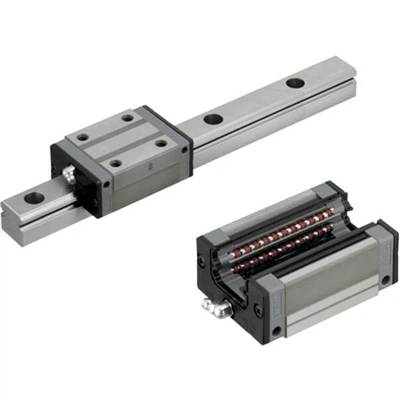
Now, if you’re looking for reliable power equipment parts that are made to last, and you want to make sure you’re handling them the right way, hit us up to chat about what you need. We can answer any questions you have about parts, fitting, and even basic handling tips that aren’t on any boring instruction manual. No pushy sales stuff, just straight answers from people who know power equipment inside and out.
Auto Parts References:
- Occupational Safety and Health Administration. (2022). Safety Precautions for Power Tool and Equipment Repair. U.S. Department of Labor.
- National Institute for Occupational Safety and Health. (2021). Hazard Controls for Gasoline-Powered Small Engine Parts Handling. Centers for Disease Control and Prevention.
- Power Equipment Industry Association. (2023. Best Practices for Handling Small Engine and Power Tool Components. Power Equipment Industry Association.
Hubei Kangding Machinery Equipment Co., Ltd.
We’re well-known as one of the leading power equipment parts manufacturers and suppliers in China, specialized in providing high quality customized products. Please feel free to buy advanced power equipment parts for sale here from our factory. For pricelist, contact us now.
Address: Qianchang Industrial Park, Jingshan County, Jingmen City, Hubei Province
E-mail: 339248585@qq.com
WebSite: https://www.cnkangding.com/
