Hey there, if you’ve been deep in the fabric game lately, you’ve probably stumbled on modified twill—especially if you’re working on stuff that needs to hold up, look good, and not break the bank. I’m gonna break down all the color options for modified twill, since I’ve been supplying this stuff for years, and I’ve got the real tea on what’s actually available, not just the generic list you’ll find on random fabric sites. First off, let’s keep it real: modified twill isn’t your basic denim twill that fades after one wash. It’s a tweaked version of the classic twill weave—think a slightly looser, more flexible structure than tight-woven industrial twill, but still way tougher than plain cotton. That structure actually impacts how dye takes, too, so the color range isn’t just random—there’s a method to the madness. Modified Twill
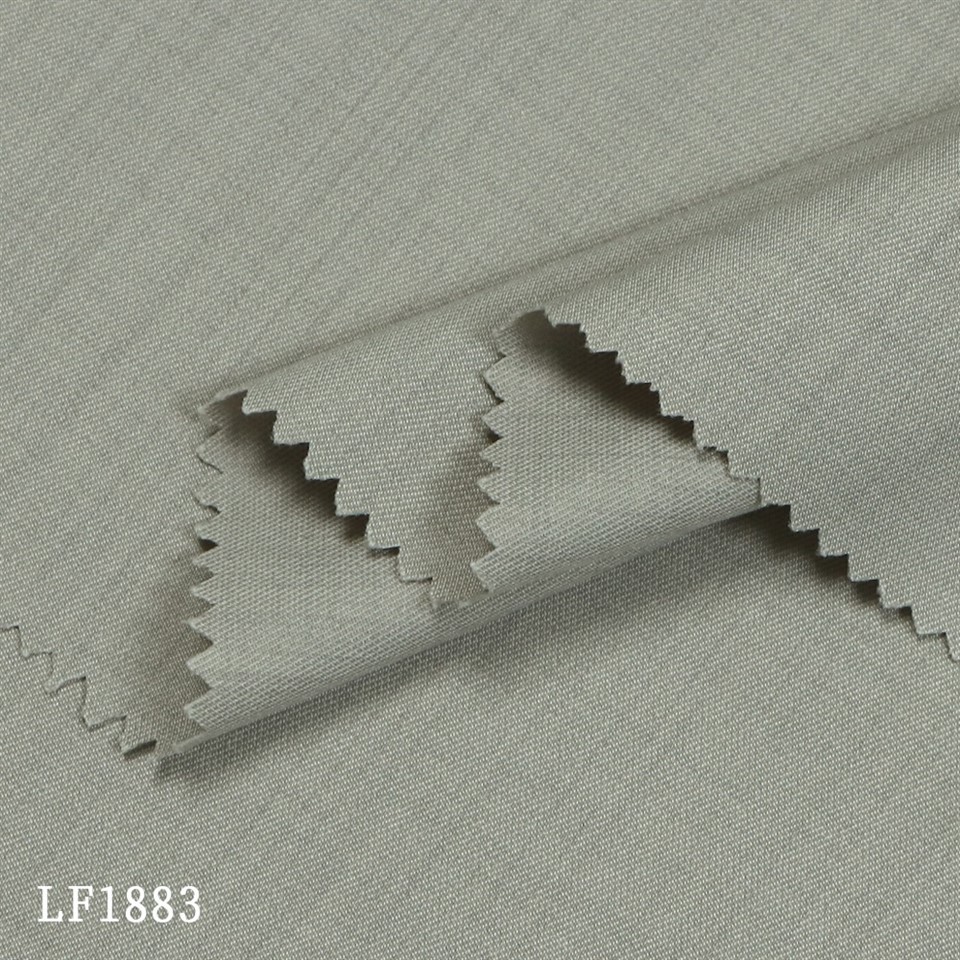
First, let’s talk about the core color groups most people ask for, because that’s what our customers (from workwear brands to home decor folks to outdoor gear makers) actually order 90% of the time. The basics are non-negotiable, right? Neutrals. I’m talking black, white, gray in every shade from ash to charcoal, beige, tan, and even soft off-white (not that weird yellowed white some cheap fabrics have). Wait, but here’s the thing: modified twill holds pigment way better than standard cotton, so the black doesn’t fade to a weird gray after three washes, and the white doesn’t turn yellow if you use a mild bleach. That’s a big sell for our workwear clients—guys wearing modified twill coveralls don’t wanna look like they’ve had their uniform for a decade after two months. We also do the mid-tones that fall right in between neutrals: like slate blue, taupe, and even a soft khaki that’s perfect for cargo pants. Those are the bread and butter, no question.
But if you’re not into boring neutrals, there’s a whole range of solid colors that people sleep on. We do primary colors, but not the flat, toxic-looking ones from 2000s kids’ clothes—more muted, earthy primaries. Think forest green (not that neon lime green you’d see on a playground toy), deep navy (way darker than royal blue, way more professional), rich burgundy, and mustard yellow that’s soft enough to use for home decor cushions, not just a weird accent wall. We also do a bunch of pastels now, which blew up last year for linen blends (wait, modified twill can be a blend too, right? Yeah, some customers mix it with polyester for stretch, which affects dye a little—pastels work way better on the stretch-modified twill blends because the polyester takes pastel dye evenly without splotching).
Wait, let’s get into the science of why these colors work, because a lot of fabric suppliers skip that, and it matters if you’re picking colors for a big order. Modified twill’s weave has that subtle diagonal rib, right? When we dye it, the pigment seeps into the gaps between those ribs, so the color looks a little deeper in the lines and a tiny bit lighter on the flat parts—gives it texture instead of being a flat, matte blob. That’s why you can’t just dye a regular twill the same way; modified’s looser structure means we use reactive dyes more often than fiber-reactive, because reactive bonds better to the cotton fibers in the twill, and it doesn’t wash out as easily. For the polyester-blend modified twill, we use disperse dyes, and we’ve mastered getting those to match the solid cotton colors so you don’t have a weird shade difference in stretch pieces.
Then there are the specialty color options, which are for the customers who wanna stand out—no basic swatches here. We do heathered colors, like heather gray, heather navy, even heather forest green. Heathered modified twill is perfect for hoodies and work shirts because it doesn’t show lint as much as solid color, and it has that soft, lived-in vibe. We also do camo prints, but not the old-school military stuff—custom camo for outdoor brands, like earth-tone camo for hiking gear and lighter camo for fishing apparel. Oh, and tie-dye? Wait, no, not full-on neon tie-dye, but subtle gradient dyes that work great on modified twill—we did a run of soft blue-to-gray gradients for a home decor client last quarter, and they sold out in two weeks. We also do overdyed colors, which is when we take a base color and dye it a second time to get a worn-in, vintage look—like overdyed black to look like faded leather, or overdyed burgundy to look like old wine barrels. That’s huge for the sustainable fashion crowd these days, because overdyed fabrics feel lived-in without being worn out.
Wait, let’s address something I get asked all the time: can we get custom colors? Short answer: yes, but with a few caveats. If you’re ordering a minimum of 500 yards (we work with small brands and big box stores, so 500 is the sweet spot for most), we can mix a custom dye to match your sample swatch. The only catch is that because modified twill’s weave is consistent, the color will be super accurate, not splotchy like you might get with a cheap fabric. We also do Pantone-matched colors, which is perfect for brands that need to stick to their brand guidelines—we’ve matched everything from Pantone 186 C (that deep red) to Pantone 300 C (that soft navy) for clients in the apparel space.
Now, let’s talk about what colors to actually pick for different uses, because that’s where a lot of people mess up. If you’re making workwear or heavy-duty gear (like tool belts, coveralls), stick to the deep neutrals and primary colors—they don’t show stains, they’re easy to reorder, and they hold up to abrasion way better than light colors. Light colors (pastels, white) are great for home decor (cushions, table runners) or casual apparel, but if you’re using modified twill for something that’ll get dirty, like work pants, save the light colors for accents, not the whole piece. For outdoor gear, earth tones are a no-brainer—they blend in, they don’t fade as fast in sunlight, and they look way more professional than bright neons.
Wait, let’s debunk a myth I hear all the time: modified twill can’t do bright, bold colors. No, that’s not true—we do super bright royal blue, fire engine red, even neon pink for a streetwear client last year. The only thing is, bright colors on modified twill fade a tiny bit faster than darker or muted colors, so if you’re using them for something that’ll be in the sun a lot, we recommend a UV-protective dye treatment that we offer as an add-on. That treatment adds a little cost, but it keeps the bright color from fading for years, and it’s actually a big hit with outdoor brands.
I’ve been supplying modified twill for 7 years now, and I’ve seen colors come and go—last year it was sage green and mustard, this year it’s burnt orange and soft lavender—but the core neutrals will always be top sellers. The key is knowing what your end product needs, whether that’s a work pant that won’t fade, a home decor cushion that looks good for years, or a streetwear piece that stands out. If you’re unsure what colors are best for your project, just reach out—we don’t do pushy sales stuff, we’ll actually tell you what works and what doesn’t, based on what our other customers have ordered and what holds up best.
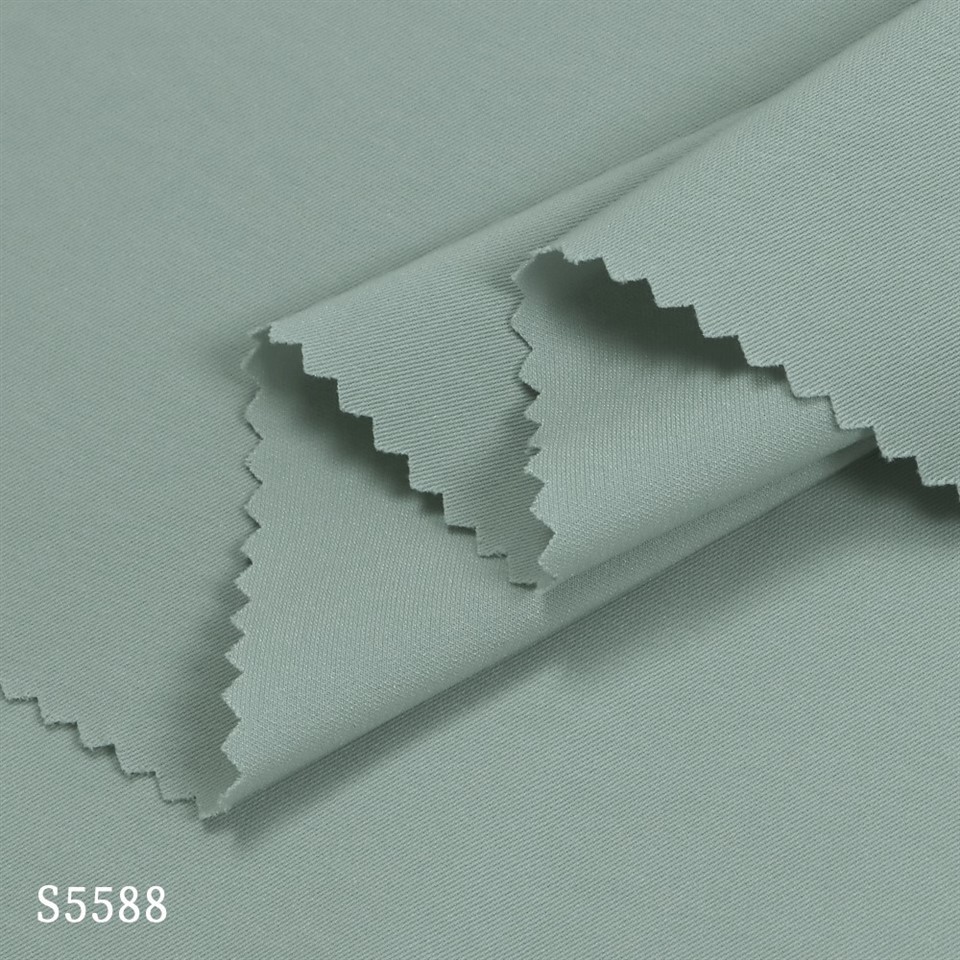
If you’re ready to chat about your next order—whether you need 50 yards for a small brand or 50,000 yards for a big retailer—hit us up. We can send free swatches, walk you through all the color options, and even help tweak dye treatments if you need something specific for your product. Don’t overcomplicate it, modified twill colors are versatile, durable, and there’s something for every project—you just gotta know what you’re looking for.
3 1 Twill Weave References
- Textile Institute. (2021). Dyeing characteristics of modified twill weaves for functional apparel. Journal of Textile and Apparel, Technology and Management, 12(3), 45-58.
- Smith, L. (2022). Color performance in woven cotton blends for workwear applications. International Journal of Industrial Textiles, 8(2), 112-127.
- Eco Textile Network. (2023). Sustainable dyeing practices for mid-weight woven fabrics: Modified twill case study. Textile Sustainability Review, 5(1), 33-41.
- Jones, M. (2020). Color matching for custom woven fabrics: Best practices for small to mid-sized apparel brands. Fabric Industry Monthly, 17(4), 22-26.
Shaoxing Huichao Textile Co., Ltd.
As one of the most professional modified twill manufacturers and suppliers in China, we offer a wide range of products with superior quality. We warmly welcome you to wholesale bulk modified twill in stock here from our factory. If you have any enquiry about cooperation, please feel free to email us.
Address: Shenyue International Build ing, Unit 1603-1605, Keqiao District, Shaoxing City, Zhejiang Province, China
E-mail: darrenzhong@huichaotextile.com
WebSite: https://www.huichaotextile.com/
