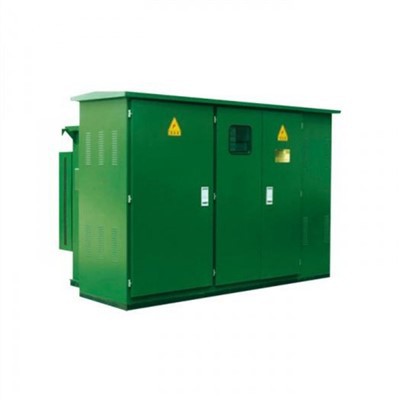
As a provider of Terminal Combined Distribution Units (TCDUs), I understand the importance of offering diverse remote control options to meet the varying needs of our clients. In this blog post, I’ll delve into the different remote control options available for TCDUs, exploring their features, benefits, and practical applications. By the end, you’ll have a clear understanding of how these options can enhance the functionality and efficiency of your TCDU systems. Terminal Combined Distribution Unit
1. Wired Remote Control Systems
Wired remote control systems have been a staple in industrial control for many years. They offer a reliable and secure way to manage TCDUs from a distance.
Serial Communication
One of the most common wired options is serial communication, which uses protocols like RS – 232, RS – 422, or RS – 485. These protocols allow data to be transmitted between the TCDU and the remote control device in a sequential manner.
- Features: RS – 232 is suitable for short – distance communication, typically up to 15 meters. It is simple to implement and widely supported. RS – 422 and RS – 485, on the other hand, are designed for longer – distance communication, with RS – 485 capable of reaching up to 1200 meters. They also support multi – point communication, allowing multiple TCDUs to be connected to a single remote control.
- Benefits: The main advantage of serial communication is its reliability. Since it uses a physical wire, the signal is less susceptible to interference compared to wireless options. Additionally, serial communication is relatively inexpensive and easy to troubleshoot.
- Applications: Serial communication is commonly used in applications where the TCDU is located in a fixed position and the remote control is not far away. For example, in a factory setting, operators can use a serial – connected remote control to adjust the power distribution settings of TCDUs from a control room.
Ethernet Communication
Ethernet is another popular wired option for remote controlling TCDUs. It uses the standard TCP/IP protocol, which is widely used in computer networks.
- Features: Ethernet offers high – speed data transfer, making it suitable for applications that require real – time control. It also supports network – based management, allowing multiple TCDUs to be monitored and controlled from a central location.
- Benefits: The ability to integrate TCDUs into existing Ethernet networks is a significant advantage. It simplifies the installation and management process, as no additional communication infrastructure needs to be built. Moreover, Ethernet allows for easy remote access over the internet, enabling off – site monitoring and control.
- Applications: Ethernet – controlled TCDUs are commonly used in large data centers, where multiple distribution units need to be managed simultaneously. They can also be used in smart buildings, where the TCDUs are integrated into the building automation system.
2. Wireless Remote Control Systems
Wireless remote control systems offer greater flexibility compared to wired options, as they eliminate the need for physical cables.
Wi – Fi
Wi – Fi is a widely used wireless technology that operates in the 2.4 GHz or 5 GHz frequency bands.
- Features: Wi – Fi provides high – speed data transfer and can support a large number of connected devices. It is compatible with a wide range of devices, including smartphones, tablets, and laptops.
- Benefits: The main advantage of Wi – Fi is its convenience. Users can easily control TCDUs using their existing mobile devices, without the need for additional hardware. It also allows for easy integration with other Wi – Fi – enabled devices in a smart home or industrial environment.
- Applications: Wi – Fi – controlled TCDUs are commonly used in residential and small – scale commercial applications. For example, homeowners can use their smartphones to adjust the power distribution in their homes, while small business owners can monitor and control TCDUs in their offices.
Bluetooth
Bluetooth is a short – range wireless technology that operates in the 2.4 GHz frequency band.
- Features: Bluetooth is known for its low power consumption and short – range communication capabilities. It is suitable for applications where the remote control device is in close proximity to the TCDU.
- Benefits: Bluetooth – enabled TCDUs are easy to set up and use. Since Bluetooth is built into most smartphones and tablets, users can control the TCDU without the need for additional software or hardware.
- Applications: Bluetooth – controlled TCDUs are commonly used in applications where local control is required, such as in a single – room office or a small workshop.
ZigBee
ZigBee is a wireless communication protocol designed for low – power, low – data – rate applications.
- Features: ZigBee operates in the 2.4 GHz, 900 MHz, or 868 MHz frequency bands. It supports mesh networking, which allows multiple devices to communicate with each other over a large area.
- Benefits: ZigBee offers a high level of reliability and security. The mesh networking feature ensures that if one device fails, the data can still be transmitted through other devices. It is also energy – efficient, making it suitable for battery – powered TCDUs.
- Applications: ZigBee – controlled TCDUs are commonly used in industrial and building automation applications, where a large number of devices need to be connected and controlled over a wide area.
3. Cloud – Based Remote Control
Cloud – based remote control systems offer a scalable and flexible solution for managing TCDUs.
Features
Cloud – based systems use internet – connected servers to store and process data from TCDUs. They provide a web – based interface that allows users to access and control TCDUs from anywhere in the world, using any device with an internet connection.
Benefits
- Scalability: Cloud – based systems can easily scale to accommodate a large number of TCDUs, making them suitable for large – scale industrial and commercial applications.
- Remote Monitoring and Analytics: Users can monitor the performance of TCDUs in real – time and analyze historical data to identify trends and potential issues.
- Software Updates: Cloud – based systems can be easily updated with new features and functionality, ensuring that the TCDU systems remain up – to – date.
Applications
Cloud – based remote control is commonly used in applications where centralized management and remote access are required, such as in multi – site industrial facilities or large – scale data centers.
4. Choosing the Right Remote Control Option
When selecting a remote control option for a TCDU, several factors need to be considered:
- Distance: The distance between the TCDU and the remote control device is a crucial factor. For short – distance applications, Bluetooth or Wi – Fi may be suitable, while for longer – distance applications, Ethernet or a wireless mesh network like ZigBee may be more appropriate.
- Data Transfer Requirements: Applications that require real – time control and high – speed data transfer, such as in a data center, may benefit from Ethernet or Wi – Fi. For applications with lower data transfer requirements, Bluetooth or ZigBee may be sufficient.
- Security: Security is a major concern, especially in industrial and commercial applications. Wired options like serial communication and Ethernet generally offer higher levels of security compared to wireless options. However, wireless options can be made secure through the use of encryption and authentication mechanisms.
- Cost: The cost of the remote control system, including the hardware and software, needs to be considered. Wired options are generally less expensive than wireless options, especially for large – scale installations.
Conclusion

As a TCDU provider, we understand that different clients have different needs when it comes to remote control options. Whether you need a reliable wired solution, a flexible wireless option, or a scalable cloud – based system, we have the expertise and products to meet your requirements. Our TCDUs are designed to be compatible with a wide range of remote control technologies, ensuring that you can easily integrate them into your existing systems.
Outdoor Prefabricated Enclosed Ring Main Unit If you’re interested in learning more about our Terminal Combined Distribution Units and the remote control options available, we encourage you to reach out to us. Our team of experts is ready to discuss your specific needs and provide you with the best solution for your application. Contact us today to start the conversation and take the first step towards enhancing the efficiency and functionality of your TCDU systems.
References
- Groebe, D. (2001). Understanding Serial Communications. Que Publishing.
- Tanenbaum, A. S., & Wetherall, D. J. (2011). Computer Networks. Pearson.
- Bluetooth SIG. (n.d.). Bluetooth Technology Overview.
- ZigBee Alliance. (n.d.). ZigBee Technology Overview.
Huachi Electric Co., Ltd.
We’re well-known as one of the leading terminal combined distribution unit manufacturers in China, featured by quality products and good service. Please rest assured to buy customized terminal combined distribution unit made in China here from our factory. Contact us for more details.
Address: Plastic Park, Tongyu Street, Luqiao District, Taizhou City, Zhejiang Province
E-mail: HCDQ2026@163.com
WebSite: https://www.huachi-electric.com/
