Hey there, fellow garden lovers! If you’ve ever spent a Saturday morning tending to your tomato plants, hydrating your new lawn, or hauling a hose around to wash off your patio, you’ve probably stopped for 2 seconds and thought – wait, what even is this garden hose made of? I’ve been in the garden hose game for over 10 years now, and let me tell you, that question comes up at least once a week when customers reach out to chat with me about their needs. Garden Hose
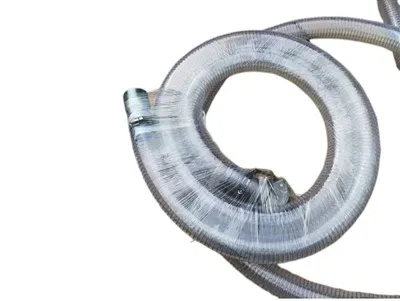
As a supplier, I see so many folks picking a hose based just on price or length, not realizing the material it’s made of can make or break how long it lasts, how it performs in your yard, and even how safe it is for your plants. I’ve had guys come back to me with a crinkly, cracked hose after one summer, asking if there’s a better option. Spoiler: 9 times out of 10, it’s the material, not the brand. Let’s break this down like I’m chatting with you over a cold lemonade after a long day in the dirt – no super jargon, just real stuff you can actually use.
First up, the most common one you’ll see everywhere: PVC, or Polyvinyl Chloride. If you’ve ever grabbed a cheap, lightweight hose from the big box store for under $20, this is almost certainly what it is. Let’s be real, PVC hoses are tempting – they’re cheap, super light, easy to coil up, and come in every color under the sun. But here’s the tea, and I don’t sugarcoat it: PVC has some major downsides for regular garden use. It breaks down fast in UV light, right? Leave it out in the sun for a week, and you’ll start seeing little cracks in the surface that turn into big leaks by mid-summer. It’s also pretty rigid when it’s cold out – if you’re in a place that gets freezing winters, a PVC hose left outside will crack straight down the line when the water inside expands. And don’t get me started on the smell – cheap PVC can leach that weird chemical odor into your water, which is a problem if you’re watering edible plants like veggies or herbs. I’ve stopped stocking thin-walled PVC hoses entirely because my customers hated them for how short-lived they were. That said, not all PVC is created equal. We sell heavy-duty PVC hoses that have extra layers, UV stabilizers added, and are built to stand up to more use – they’re just a step above those budget options you grab on impulse.
Next, let’s talk about the workhorse of garden hoses: Rubber hoses, specifically Natural Rubber and Nitrile Rubber. Now, when you hear “rubber hose,” you probably picture that thick, sturdy one your dad used back in the day – and for good reason. Rubber is way more flexible than PVC, even in cold weather, so it doesn’t crack easily if temps drop. It’s way more resistant to kinks too, which is a huge win. I had a customer last month who said his old PVC hose got kinked so bad one time he thought he’d have to cut it, but his rubber hose just bent right out of it. The big downside to rubber? It’s heavier than PVC, which is a turnoff for a lot of people who don’t want to haul a bulky hose around. Also, natural rubber can degrade over time if it’s exposed to a lot of sunlight – it gets sticky or brittle after a few years, even if it’s UV-stabilized. That’s why we use a lot of nitrile rubber in our premium lines – it’s a synthetic rubber that’s way more resistant to UV, chemicals, and abrasion than natural rubber. It’s still flexible, doesn’t weigh a ton compared to old-school rubber, and lasts way longer. My landscaping customers swear by nitrile hoses because they use them every single day and need something that won’t give out mid-job.
Wait, there’s another material that’s been blowing up in the last few years, and it’s perfect for people who hate heavy hoses and kinks: EPDM Rubber. Yeah, I know, it sounds like a fancy acronym, but it’s just a type of synthetic rubber that’s become super popular for good reason. EPDM is way more UV-resistant than regular rubber, so you can leave it out all summer without worrying about it breaking down. It’s also way lighter than rubber or even heavy PVC, but way more durable than thin PVC. The kicker? EPDM is non-toxic – it doesn’t leach chemicals into your water at all, so it’s totally safe for watering veggies, herbs, even baby plants that are extra sensitive. I actually switched our entire premium line to EPDM a couple years back, and the feedback has been insane. Customers say they leave it out in the sun all summer, it doesn’t crack, it’s easy to drag around without straining their arms, and it works great in cold weather too. The only “con” is that it’s a little pricier than basic PVC, but when you think about how it lasts 2-3 times longer than a budget hose, it’s actually a way better deal in the long run. I always tell people: you can buy 3 cheap PVC hoses for the price of one EPDM hose, and the EPDM will still be working when those 3 are garbage.
Now, let’s talk about a newer player that’s really taken off, especially for people who do a lot of watering: Hybrid Hoses. These are a mix of two or more materials, usually rubber and PVC, to get the best of both worlds. For example, a hybrid might have an EPDM inner core for durability and non-toxicity, and a PVC outer layer to keep the weight down and add some flexibility. I’ve sold a ton of hybrid hoses to casual gardeners who don’t need a super heavy-duty hose, but don’t want the flimsiness of basic PVC. They’re lighter than full rubber hoses, more durable than thin PVC, and don’t cost as much as pure EPDM. The only thing to watch for with hybrids is that the quality can vary a lot depending on how well the materials are bonded – some cheap hybrids will separate after a couple years, so you want to make sure you’re getting one from a reputable supplier (guilty, we test every batch before we sell them!).
Wait, I can’t forget to mention the stuff we try to avoid selling at all, just because it’s not great for most people: Vinyl Hoses. A lot of people confuse vinyl with PVC, but vinyl is even thinner, cheaper, and way less durable. It’s basically a plastic tube that cracks within a season, smells terrible, and can’t stand up to any real use. I had a customer come to me last summer who bought a 50ft vinyl hose for $10 and it split down the entire length after two weeks – he was so frustrated he ended up buying two of our mid-grade PVC hoses just to have something that would last. Save your money, skip the vinyl.
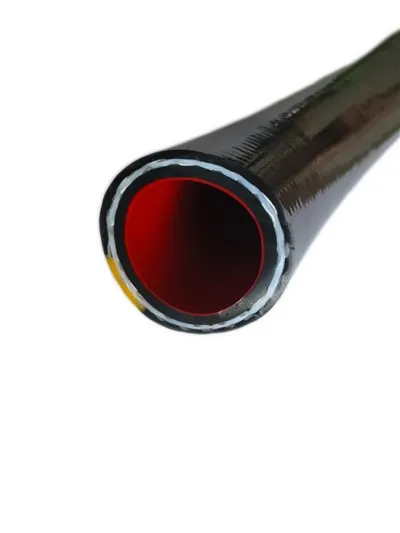
Let’s also talk about what goes into those layers, because most hoses aren’t just a single material. You’ve got the inner liner, which is what the water touches – that’s why so many premium hoses use EPDM or nitrile liners, because they’re non-toxic. Then there’s the reinforcement layer, usually polyester or nylon braiding, that keeps the hose from bursting when you crank up the water pressure. The outer cover is what you touch, what’s exposed to the sun, and it’s usually UV-treated PVC or rubber to prevent cracking. I’ve seen hoses with up to 5 layers – inner liner, two reinforcement layers, outer cover – and those are the heavy-duty ones that can handle high pressure, sharp rocks, and being dragged over concrete all summer.
Now, let’s get real about how this all affects you, no matter what kind of gardener you are. If you’re a casual waterer – you just need something to water the flowers on your porch or wash the car once a week – a mid-grade PVC or hybrid hose will work fine, and it won’t break the bank. But if you’ve got a big lawn, a vegetable garden, or you’re a landscaper who uses a hose every single day, spend the extra $20-$30 on an EPDM or nitrile rubber hose. It’ll last you 5+ years instead of 1, and you won’t have to deal with leaks in the middle of watering a new seedbed or a hose that won’t coil right. If you have kids or pets, or you’re growing edible plants, stay away from cheap PVC or vinyl – they can leach chemicals that aren’t great for anyone, and EPDM is totally safe.
I’ve learned so much over the years from talking to customers like you. Last spring, we had a guy who bought our EPDM hose and said it was the best purchase he’d made all year – he lives in a place that gets snow and freezing temps all winter, and his old PVC hose cracked when he left it out, but his EPDM one was fine when he dug it out in April. Another customer, a grandma who grows tomatoes, said she switched to our non-toxic EPDM hose because she was worried the old plastic hose was making her tomatoes taste weird – she now swears her tomatoes are the best on the block.
At the end of the day, the material of your garden hose isn’t something you should sleep on. It’s not just a tube of plastic or rubber – it’s something that’s going to be in your yard, touching your plants, getting dragged around, and working hard for you all season. As a supplier, my job isn’t just to sell you a hose – it’s to help you pick one that fits your needs, lasts, and doesn’t give you headaches mid-project.
If you’re in the market for a new hose, or you just have questions about which material is right for your yard, I’d love to chat. Whether you need a 25ft hose for your balcony, a 100ft heavy-duty one for your big garden, or you’re just curious about the difference between all these materials, hit me up to talk procurement. No pressure, just real advice from someone who’s been in this game way too long.
Flexible Plastic Pipe References
- American Society for Testing and Materials (ASTM). Standard Specification for Rubber and Plastic Garden Hoses.
- Garden Industry Manufacturers Association (GIMA). Garden Hose Material Performance Guide.
- University of California Agriculture and Natural Resources. "Choosing the Right Garden Hose for Home Gardening."
Weifang Xinzhiyuan Plastic Co., Ltd.
As one of the most experienced garden hose manufacturers and suppliers in China, we offer a wide range of products with superior quality. Please feel free to wholesale premium garden hose made in China here from our factory. We also accept customized orders.
Address: No. 700, Tongle Street, Economic Development Zone, Changle County, Weifang City, Shandong Province
E-mail: hua@xzypvchose.com
WebSite: https://www.pvchose-xzy.com/
